Moving a business to a new location is exciting, but the sticker shock rarely comes from the expenses you planned for. It comes from the ones nobody mentioned until the invoice landed on your desk. A relocation budget built only around rent and moving trucks tends to unravel within the first few weeks in the new space. Understanding the hidden costs ahead of time can mean the difference between a smooth transition and a cash crunch that stalls your momentum.
Wiring and Electrical Upgrades in the New Space
Older commercial buildings often look move-in ready but hide outdated panels, insufficient outlets, or wiring that cannot support modern equipment loads. Before signing a lease, it is worth having a licensed commercial electrician walk the space and flag anything that needs upgrading. Skipping this step often means discovering the problem only after servers overheat or breakers trip during your first busy week.
Electrical work also tends to involve permits and inspections that add time and cost beyond the labor itself. Budgeting a buffer for this category upfront prevents a scramble later when the building inspector requires changes before you can open your doors.
- Panel upgrades to handle increased power demand
- Dedicated circuits for servers, kitchen equipment, or manufacturing tools
- Outlet additions for workstations and common areas
- Permit and inspection fees tied to electrical changes
- Emergency lighting and exit sign compliance updates
Roof Condition and Long Term Maintenance Needs
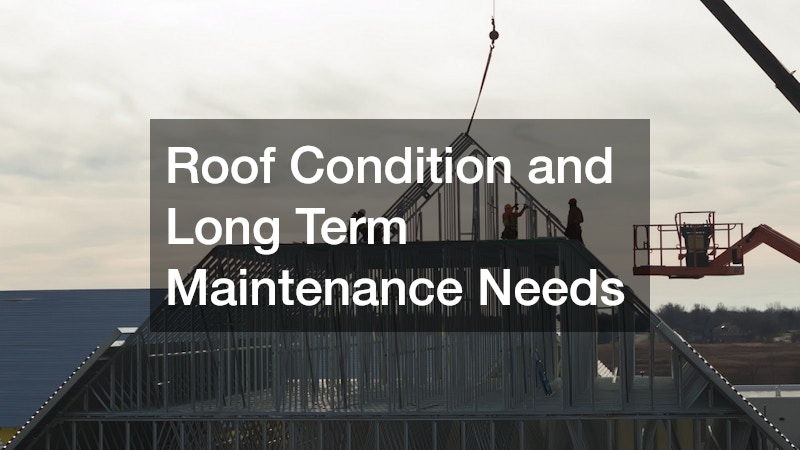
A leaking roof is one of the most expensive surprises a new business owner can inherit, and it is rarely visible during a quick walkthrough. Investing in a proper inspection from a commercial roofing contractor before finalizing the lease can reveal issues that either get negotiated into the deal or budgeted for separately. Roof repairs are not just about water damage either; a poorly insulated roof can quietly inflate energy bills for years.
Even a roof that looks fine on inspection day may only have a few years of usable life left. Building a maintenance reserve into your relocation budget, rather than assuming the roof is someone else’s future problem, protects you from a mid-lease surprise that could cost tens of thousands of dollars.
- Age and material type of the existing roof
- Signs of ponding water or previous patch repairs
- Insulation quality and its effect on utility costs
- Warranty status if the roof was recently replaced
Equipment and Inventory Handling During the Move
Many business owners underestimate what it actually takes to move specialized equipment, sensitive electronics, or large volumes of inventory without damage or downtime. Standard movers are not always equipped for this, which is why many companies turn to commercial moving services that specialize in business relocations rather than residential ones. These providers understand how to disconnect, transport, and reinstall equipment in a way that minimizes the days your operation sits idle.
The cost difference between a general moving crew and a specialized commercial mover can be significant, but so can the cost of a damaged machine or a week of lost productivity. It helps to get itemized quotes early so you can compare what is actually included, such as packing materials, insurance coverage, and reinstallation labor.
- Disassembly and reassembly of large equipment
- Specialized crates for fragile or sensitive items
- Insurance coverage for high value inventory
- Scheduling around business hours to reduce downtime
Downtime and the Hidden Cost of Slower Growth
Every relocation comes with a period where productivity dips, whether from packing, travel time, or simply adjusting to a new layout. This slowdown rarely shows up as a line item, but it directly affects revenue and can quietly erode the economic growth a company was counting on for the year. Owners who plan for a temporary dip in output tend to handle the transition with far less financial stress than those who assume operations will continue at full speed without interruption.
It also helps to communicate timelines clearly with clients and vendors so expectations are managed before the move, not during it. A short, well-planned pause is far less damaging than an unexpected one that catches customers off guard and sends them looking elsewhere.
- Reduced sales or output during packing and transition weeks
- Staff time spent on logistics instead of core work
- Client communication gaps that can affect retention
- Recovery time needed to reach previous productivity levels
Sound Control and Privacy in Open Office Layouts

Many businesses relocate into modern open-concept spaces without realizing how much noise travels between departments, meeting rooms, and shared walls. This becomes a real problem for companies that handle confidential calls, client consultations, or focused work that requires quiet. Installing sound proof glass in conference rooms and private offices is a practical fix, but it is an expense that rarely appears in initial moving estimates.
Acoustic issues also affect employee satisfaction and productivity, which are harder to quantify but just as real as a hard dollar cost. Addressing sound control early, rather than retrofitting it after complaints pile up, tends to be both cheaper and less disruptive to daily operations.
- Conference rooms needing acoustic separation for confidential meetings
- Shared walls between departments with different noise levels
- Retrofit costs versus building sound control in from day one
- Employee feedback as an early indicator of noise problems
Monitoring Systems for Safety and Operational Continuity
New buildings often require fresh security and safety infrastructure, especially if the previous tenant used the space differently than your business will. This is where many owners bring in a process monitoring company to keep an eye on equipment performance, environmental conditions, or safety compliance from day one in the new location. Skipping this step to save money upfront often costs more later in downtime, compliance fines, or missed early warnings of equipment failure.
Setting up monitoring during the move, rather than after settling in, also makes it easier to establish baseline data for the new space. That baseline becomes valuable for spotting problems early and for demonstrating compliance if regulators or insurers ever ask for records.
- Environmental monitoring for temperature or humidity sensitive operations
- Equipment performance tracking to catch issues early
- Safety compliance documentation for new locations
- Integration with existing building security systems
Financial Guidance and Funding Options Before the Move

Relocation costs add up fast, and many small business owners underestimate how much working capital they will need during the transition period. Between double rent payments, deposit requirements, temporary storage, and revenue dips while operations stabilize, it’s common for actual moving expenses to run 20-30% higher than initial estimates. Exploring SBA loans early in the planning process can provide a funding cushion that covers these unexpected expenses without draining day-to-day cash flow.
The SBA 7(a) loan program, for example, allows funds to be used for a wide range of relocation-related costs, including leasehold improvements, equipment purchases, and even working capital to bridge gaps in cash flow. Loan amounts can reach up to $5 million, with repayment terms extending as long as 10 to 25 years depending on how the funds are used, which keeps monthly payments manageable compared to shorter-term financing options.
These loans are specifically designed to support small businesses through growth phases, including relocations, and often come with more favorable terms than a standard business loan. Interest rates tend to be lower, down payment requirements are typically smaller, and lenders are often more willing to work with businesses that have a solid relocation plan but limited collateral. Applying several months before the anticipated move date is wise, since underwriting and approval can take anywhere from a few weeks to a couple of months.
Beyond financing, many owners find real value in working with a coach for entrepreneurs who has helped other business owners through similar transitions. A good coach can help you avoid common budgeting blind spots and think through decisions with a clearer head during a stressful season. Having an outside perspective often catches expenses or risks that get missed when you are buried in the day-to-day details of the move.
Coaching engagements for a relocation typically run a few months, often billed at $150 to $400 per session or as a flat retainer, but the return can far outweigh the cost. A coach who has guided other companies through a move can flag issues you might not think to budget for, like the productivity dip during the transition period, the cost of retaining key staff who are hesitant about a new location, or the risk of losing customers who valued your old proximity.
They can also help you build in contingency reserves, usually 10 to 20 percent of your projected moving budget, so a permit delay or an unexpected buildout cost doesn’t force you into a cash crunch. Beyond the numbers, a coach can serve as a sounding board when you are weighing tradeoffs between speed, cost, and risk, helping you make decisions you won’t second-guess once the move is behind you.
- Working capital cushion for unexpected relocation costs — aim for 10-15% above your estimated budget to cover permit delays, last-minute repairs, or overtime labor
- Loan terms designed specifically for small business growth, such as SBA 7(a) or 504 loans, which often offer lower down payments and longer repayment windows than conventional financing
- A business line of credit as a flexible backup for rolling expenses that don’t fit a lump-sum loan
- Outside guidance for budgeting and decision making from an accountant or financial advisor familiar with relocation timelines and tax implications
- Comparing quotes from multiple lenders to avoid overpaying on interest or fees during a time-sensitive move
- Support for managing stress and staying focused during transition, whether through a project manager, coach, or peer network of business owners who’ve relocated before
Banking and Payment Setup at the New Location

Address changes affect more than mail forwarding; they ripple through your entire financial infrastructure. Updating checking accounts with your new address requires notifying your bank, reissuing checks with correct information, and sometimes waiting days for new materials to arrive. Skip this step and you risk vendors rejecting outdated checks or automatic payments failing at the worst possible moment.
Coordinating with vendors adds another layer of complexity. Many suppliers require written confirmation of address changes before updating their records, and some may need new W-9 forms or updated remittance instructions. Budget time for follow-up calls, since a single overlooked vendor can mean a delayed shipment or a late fee that eats into your relocation savings.
Payroll continuity deserves particular attention, since even a two- or three-day processing delay can leave employees without paychecks. If you’re relocating across state lines, you may also need to update state tax withholding accounts and unemployment insurance registrations, which can take weeks to process. Businesses that fail to plan for this often end up issuing manual checks or emergency wire transfers just to keep staff paid on schedule.
Delays here can cause missed payments, bounced checks, or frustrated employees waiting on paychecks. Building in a two-to-four-week buffer before the move date for these administrative updates helps avoid last-minute scrambling and the fees that come with it.
Payment processing also needs attention during a move, particularly if your business relies on in-person transactions. Updating your credit card processing service with the new address is more than an administrative formality — many processors flag transactions from an unrecognized location as suspicious, which can trigger holds on your funds or outright declines at the worst possible moment.
Give yourself at least two to three weeks of lead time to update account details, order new equipment if your terminals need to be reconfigured for a different internet or phone line setup, and confirm that your merchant account reflects the correct business address for tax and compliance purposes. If you’re changing internet providers as part of the move, test your card readers and point-of-sale system on the new network well before opening day, since Wi-Fi or bandwidth issues are a common culprit behind failed transactions.
It’s also worth budgeting a small buffer, often $100 to $300, for unexpected costs like replacement card readers, backup mobile processing devices, or expedited shipping on equipment that didn’t survive the move intact. Skipping this step risks the embarrassment and lost sales that come from declined transactions or downed systems on your first day in business at the new location.
- Address updates across banking accounts, merchant services, and payroll systems — often requiring notarized documentation and 5-10 business days to process
- Bank signature card updates and account verification, especially if the business entity’s registered address changes with the state
- Vendor and client payment coordination during the transition, including advance notice to avoid missed invoices or delayed receivables
- New utility deposits or bank references sometimes required if switching banking districts or branches
- Equipment testing for point-of-sale systems before opening, including card readers, receipt printers, and internet/network connectivity
- Reconfiguring or re-registering POS software with the new location’s tax rate and address for accurate transaction records
- Backup payment options in case of technical issues on day one, such as manual card imprinters, mobile payment apps, or a secondary internet connection
- Staff training on backup procedures so transactions aren’t lost or delayed during the first week
A business relocation budget built only around the obvious costs is a budget waiting to be broken. The expenses that catch owners off guard, from electrical upgrades to sound control to banking transitions, are often the ones with the biggest impact on cash flow and stress levels. Take time before your move to walk through each of these categories and get real numbers rather than estimates. A little extra planning now will save you from making costly decisions under pressure later.